‘Just Keep It Going’: Missoula Race Volunteer Dana Bandy on Ultrarunning and Staying Active Lifelong
From competitive cyclist to ultramarathon runner, Dana Bandy is an advocate for staying active lifelong. After a knee injury reduced his running, he remains involved as the registration director for a 50K and a volunteer for nearly every race in Missoula.

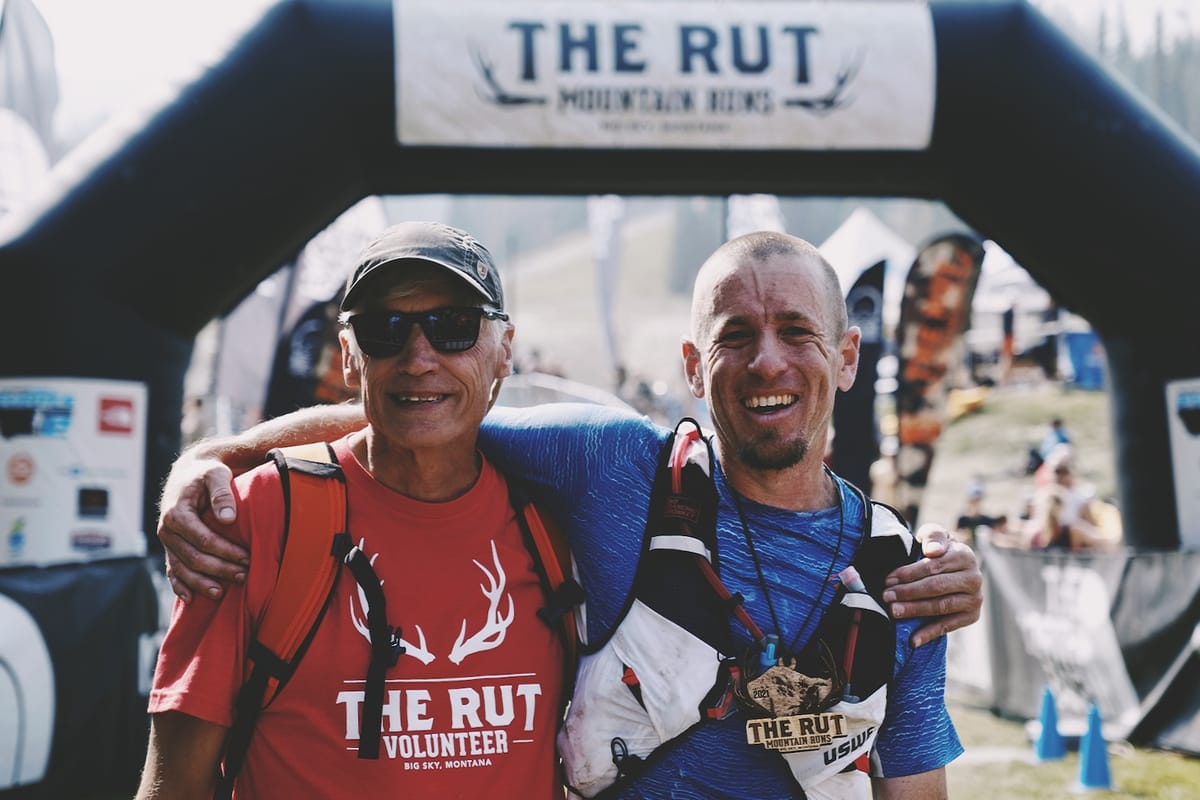
After 30 years of living in Oregon, Dana Bandy was searching for new adventures. A former competitive cyclist and ultrarunner, Dana shares, “I’d run every trail 100 times. I’ve ridden my mountain bike on every trail 100 times.”
He created a spreadsheet with a list of all the things he wanted in his new city. Then, a summer visit sealed the deal.
“Missoula met all the qualifications,” Dana explains. “Just an incredible running community and pretty much all of the amenities that you would find in a larger city are here, but in a small town atmosphere.”
After making the move in 2009, Dana quickly immersed himself in Missoula’s running scene. He got to know the team at local running retail store The Runner’s Edge, joined Run Wild Missoula’s group runs, and began participating in local races.
Ultramarathons were his focus in Oregon: directing a 50K, racing 50Ks to 100-milers, and crewing for friends.
In Missoula, Dana continued to train for ultra-distance trail races. And after running the inaugural year of The Rut Mountain Runs 50K, he joined the team as the registration director. Dana also began leading Run Wild Missoula’s monthly beer run.
In 2020, after more than 30 ultramarathon finishes, Dana took a bad fall on the trails. Needing a knee replacement, and in his late 60s, it ended his ultrarunning career.
You’ll Find Him at the Finish Line
Without as much running, Dana upped his volunteerism to stay connected to the running community. “I just decided, well, these are my people, and I don’t want to lose my community just because I’m not running the big miles anymore,” he shares.
He joined the board of directors of Run Wild Missoula, the local run club and events nonprofit organization, in 2022. Today, Dana volunteers at nearly every race in town, including the Missoula Marathon, and usually sets up the finish line’s big inflatable arch. This gained him a nickname from fellow runners: “The Archbishop.”
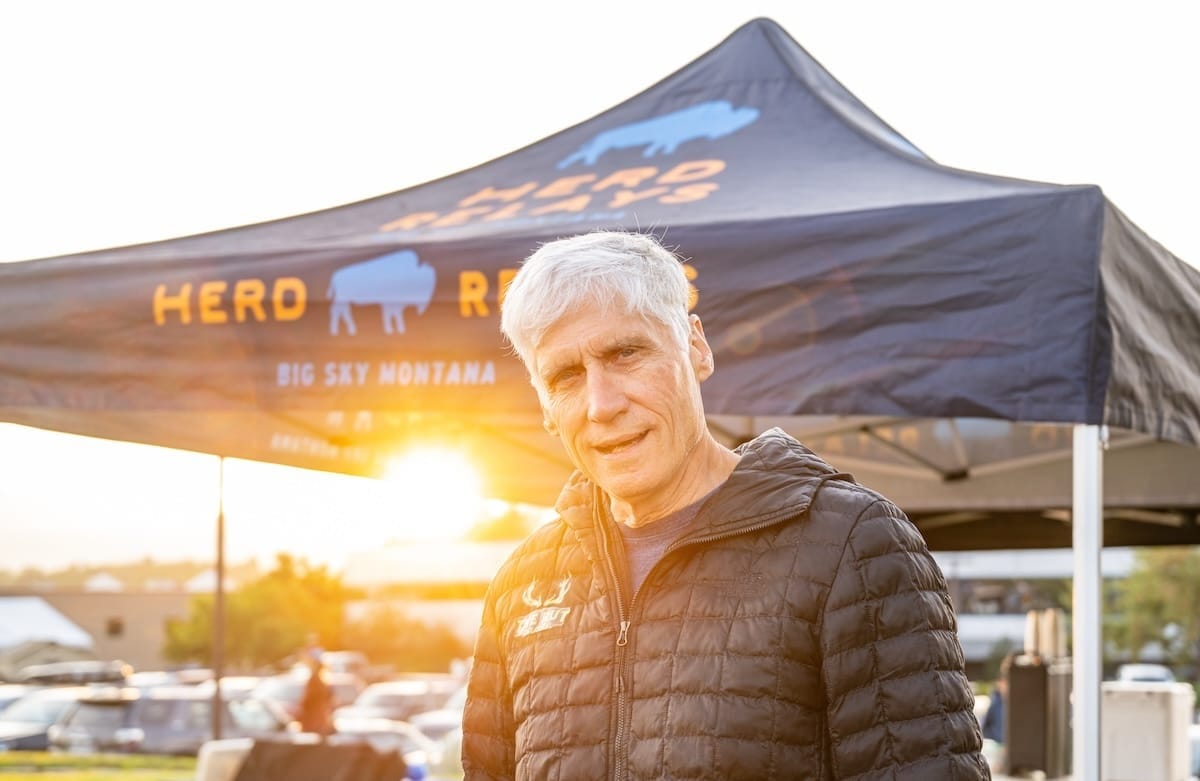
The runners he sees crossing the finish lines are often runners he’s gotten to know through Run Wild Missoula’s group runs and training programs. The most memorable part of volunteering, Dana shares, is seeing people finish their first race at a particular distance and their disbelief that they were able to accomplish it.
“They discover what their body can really do, because we always have these little doubts and self-limits about ourselves until we do it,” Dana says. “They move on from there, and [think], ‘If I could do that, maybe I can do this.’”
Staying Active for the Long Run
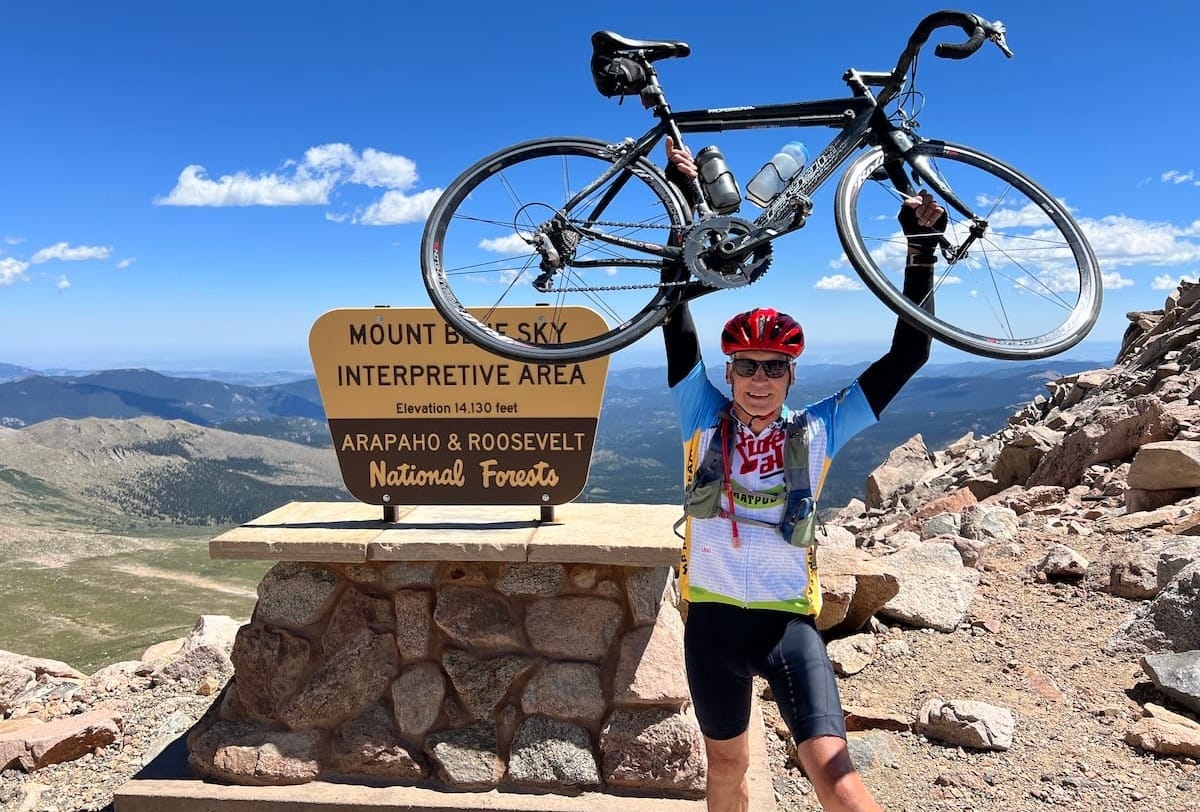
After his fall, Dana returned to cycling, and he recently completed rides up two of Colorado’s 14ers with paved roads to celebrate turning 70. On the same summer trip, after summiting both peaks, he joined a group of running friends at the Leadville 100 to help crew a fellow runner.
“Just keep it going,” Dana shared when chatting about the importance of maintaining an active lifestyle. “When you start those lifelong habits, and you keep doing it, it becomes part of your routine.”
An advocate for physical activity, no matter one’s age, Dana notes there’s always something we can do, even if one activity is no longer physically possible. And if you’ve ever helped set up the finish line of a race, you know that’s just as much of a workout as the race itself.
Below, Dana shares his experiences in ultrarunning and race directing, advice for runners going into their first ultramarathon, what makes The Rut Mountain Runs one of the toughest ultras in the country, and his philosophy on staying active at any age.
How did you get into ultrarunning?
Dana Bandy: I was a Hash House Harrier in Ashland, Oregon, for years and years and years. A couple of the members got into ultrarunning, and I thought that was the craziest thing I’ve ever heard.
One of them said, ‘Well, you should try it.’ And I said, ‘I haven’t even run a marathon yet. Maybe I’ll try a marathon first.’ So, I trained for my first marathon. That ended up being the Avenue of the Giants Marathon in California, through the redwoods. It was a great experience. I really enjoyed the distance.
Then, I thought, ‘Okay, I’ve run a marathon, so maybe I’ll try an ultramarathon.’ My friends…they told me how to train and all that. I tried my first 50K. I think the first one was the Way Too Cool 50K down in Northern California, and I moved on to 50-milers and 100Ks and 100-miles.
I did that for 30 years, and it was a wonderful experience. The ultrarunning community is an amazing group of people. You can go anywhere in the world and see people you know at one of the ultrarunning events. And I still do that. I will occasionally still go and crew for a friend or get involved in some way.
What led you to become the race director of a 50K?
Dana Bandy: We were a group of Hashers, most of us, and we’d all gotten slowly into ultrarunning. We were all going to races together, mostly in the Northern California area, because there were only, at that time, a couple of ultra runs in Oregon. Most of them were down in Northern California. Ashland is the southern tip of Oregon, so it wasn’t that far.
We kind of were a team. And after a while, we thought, we can do this. We need another race in Oregon. There’s not much to do there. So, we formed a meeting. I was elected co-race director with my friend. And then we had somebody else designing the course. We had all these people doing their part, and we put it all together. Turned out to be a great event, and it’s still going after 25 years.
I put it on for the first 10 years, the Siskiyou Out Back 50K. I never got to run it until the year I decided to move to Missoula …. We handed it off to a whole new race director, and I got to run it. I just had a blast running that race, finally, after all those years.
What advice would you give someone going into their first ultramarathon?
Dana Bandy: Ease into it. Don’t bite off more than you can chew.
No matter what race you do, they’re going to take care of you out there. A lot of people are just terrified of their first big race like that. My advice always is: Don’t think of it as a 50K. Just think of it as aid station to aid station. Get to that first aid station. Fuel Up. Don’t even think about anything other than that first aid station.
Now, you’ve gotten to the first stage. Just think of that next aid station. ‘Okay, I’ve got 5 miles to the next station. I can do that. I can do 5 miles.’ Go to the next aid station. Do that. Repeat that process during the whole thing.
Never do this mistake that a lot of people do. They get to the first aid station, and they say, ‘Oh, my God, I’ve got 26 miles to go.’ That’s the worst thing mentally you could possibly do.
How did you get involved with The Rut Mountain Runs in Missoula, and what makes it such a tough ultra?
Dana Bandy: The very first year of the 50K, I entered …. At that time, The Runner’s Edge exclusively put it on, so I was friends with all those folks and helped them out at a lot of events. I signed up, and I went there a couple days ahead and helped them set everything up, as a volunteer. I ran the race and had an incredible time.
It was the second year where they decided they think it’s going to probably double or triple in size pretty quickly, so they hired me as a registration director …. The event just kept growing and growing and growing. Now we’re in our 13th year.
There are some brutal, brutal climbs in it that are tough. Even pros find it tough. The toughest one goes up the top of what’s called Lone Peak, which is an 11,000-foot peak. And it’s a rock and scree climb that has some pretty scary sections. One section is maybe only about 10 feet long, but there’s a sheer drop, a thousands-foot drop, on one side, and you’re on loose rock. Most people, they do that section on all fours. They get down on all fours and kind of crawl across it to be safe.
We’ve had some people turn around and go back. We’ve had a lot of people, too…stand there on the other side, coaching them across. Everybody helps each other out to get to the end …. It’s just a really tough, technical race.
I get this question all the time: ‘I’ve run lots of 50Ks, and I usually do them in five hours. Do you think I can do The Rut in five hours?’ I have to let them know that, ‘Well, I was a five-hour regular 50K runner. It took me over eight to do The Rut.’ That’s how much more difficult it is.
I always tell people, too, when they’re training for it, if they’ve never done it, expect it to be much harder than it is. But you’ll finish. And that’s another great thing about The Rut — it’s so hard, and people are just beat up when they cross that finish line, but so joyous at the same time that they finished.
It’s an amazing event, and I couldn’t imagine not being involved with it.
What can you share about your philosophy on living an active life?
Dana Bandy: Last year, I turned 70, and I thought, ‘I really want to do something big for my 70th.’ I try and do something really fun and important for those big birthdays …. I had a couple of bucket list items in cycling…they were on my bucket list since I was about 20 years old.
One was to ride from the bottom to the top of Pikes Peak in Colorado. The other one was to ride from the bottom to the top of Mount Evans, which is called Mount Blue Sky now. So, I did that the summer of 2024, and I was so glad I did …. I trained my ass off for it, and if I didn’t do it, even maybe two or three years later, I [might not] be able to do it anymore.
I’m a huge believer in staying active until you’re 80 or 90 or whatever. Just keep it going. Keep it going, no matter what. If something happens, like me, and you can’t run anymore, then start riding your bike. If something happens and you can’t ride anymore, then start peak-bagging or going on long hikes. Or if you can’t do that anymore, then you could probably take up swimming. You can do something.
Every study that’s out there has said how important that is, especially as you get older. The more active you are, you’ll age better. It’s lower risk of most age-related illnesses, even dementia, heart disease, all that stuff. We all know that. So, I really think it’s important to keep it going. No matter when you start, just keep it going.
“A lot of people are just terrified of their first big race like that. My advice always is: Don’t think of it as a 50K. Just think of it as aid station to aid station. Get to that first aid station. Fuel Up. Don’t even think about anything other than that first aid station.” – Dana Bandy