RunMitts Founder Susan Clayton on Developing the Perfect Running Mitten
Baltimore’s Susan Clayton shares the inspiration behind her running mitten company, RunMitts, and her perspectives on going your own pace, both in running and in running a business.

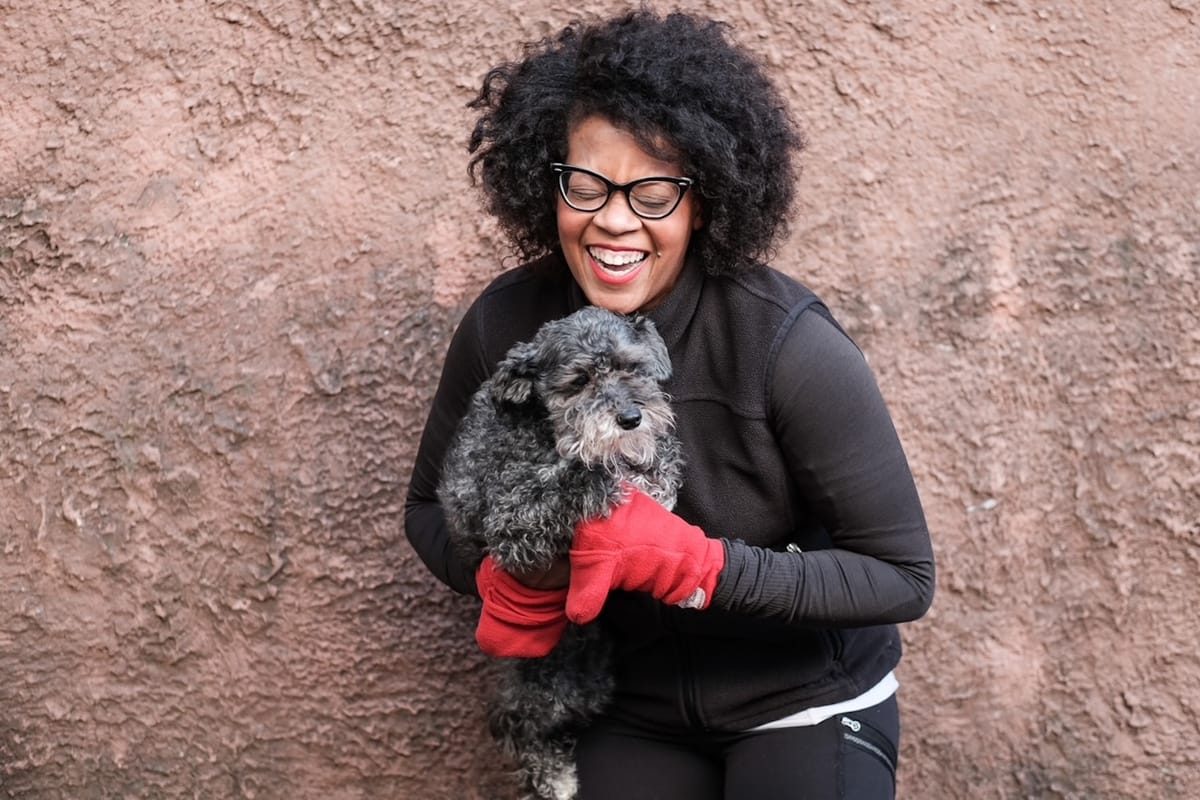
Living in Baltimore, Susan Clayton used to have a different pair of mittens for every weather condition. She could never keep her hands warm enough while running.
Running apparel companies made gloves, but not mittens like Susan preferred. And normal mittens were often too bulky or failed to protect from the wind and moisture. They also kept the thumb separated.
While coaching the local chapter of Back On My Feet, a run club for people experiencing homelessness and overcoming addiction, Susan finally decided to develop her own mittens for running the way she wanted them. The result was a fleece-lined, thumbless convertible mitten with a handwarmer pocket.
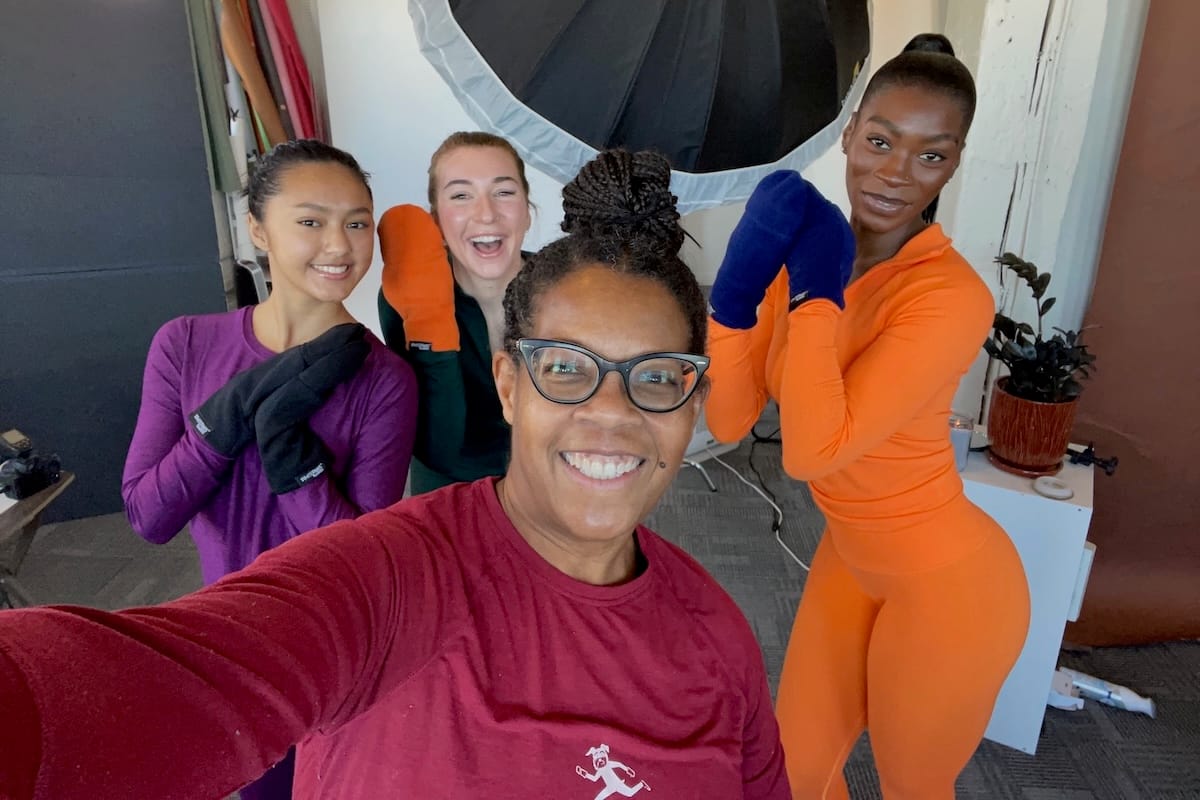
In the 10 years since receiving a patent on her design, Susan has grown WhitePaws RunMitts into a full-time venture and participated in programs such as REI Path Ahead Ventures for startup founders of color. Her mittens are sold at REI, Title Nine, Charm City Run in Baltimore, and a few other running retailers, as well as online and at the occasional race expo.
It’s OK to Go At Your Own Pace
Hairstylist by trade, Susan owned a salon for years, even while building the RunMitts brand. Starting another business didn’t intimidate her, nor did the learning curves in product development, manufacturing, and retail.
“I love solving problems. I have that logical brain where I look at a thing and I’m like, I have to figure this out,” Susan explains.
But while many entrepreneurs take on the hustle mentality, Susan resisted the rush. Instead, she took her time to learn each part of operating a product business and has met with and formed relationships with each of her manufacturers.
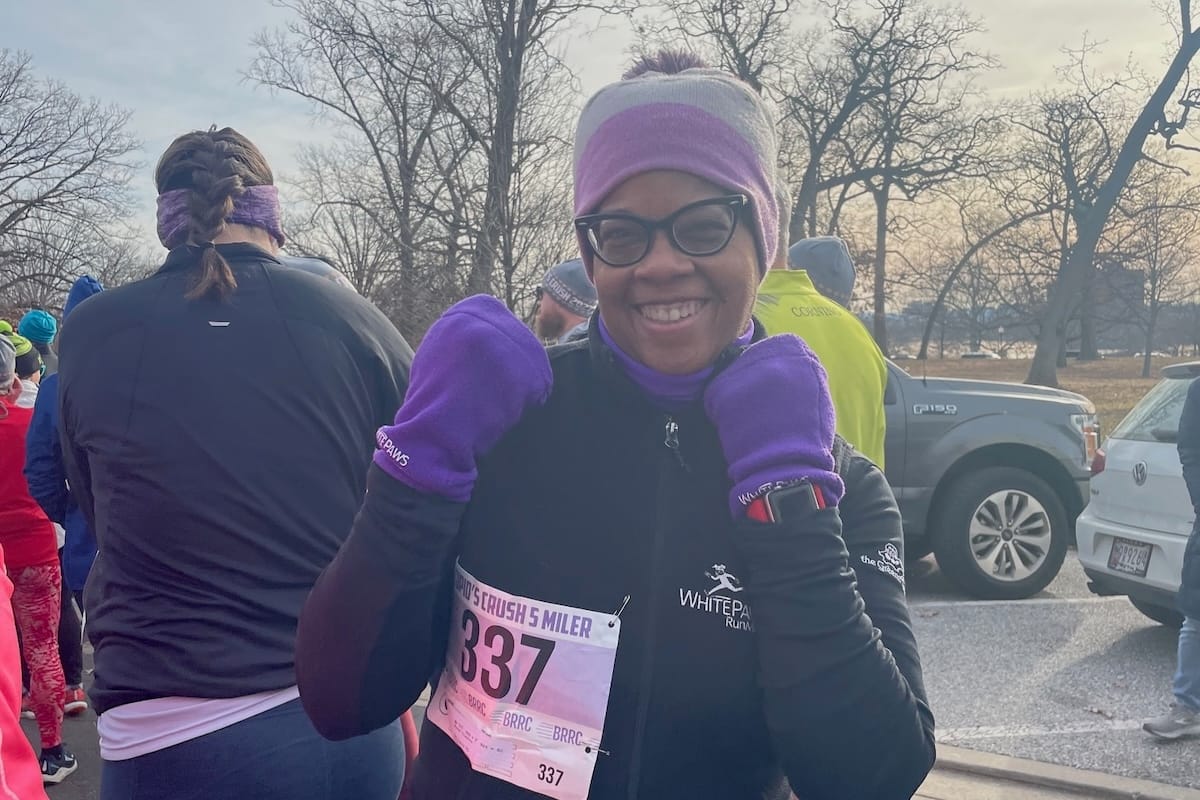
“I was in this one accelerator, and this guy was like, ‘Well, you should be further along.’ And I’m like, ‘Should I? Or can I grow at the rate I want to grow?’ It’s comfortable for me,” Susan shares.
She’s given herself grace to go at her own pace and do what feels right. That approach to growing her business is much like her approach to running, especially today.
Make the Experience Your Own and Stop Comparing It to Others
Several decades into her running journey, she was training for the virtual Boston Marathon during the pandemic when she was hit by a car. She still completed the virtual race by walking. But that experience, paired with a friend who was hit by a car and killed a few years ago, resulted in a newer hesitancy toward road running.
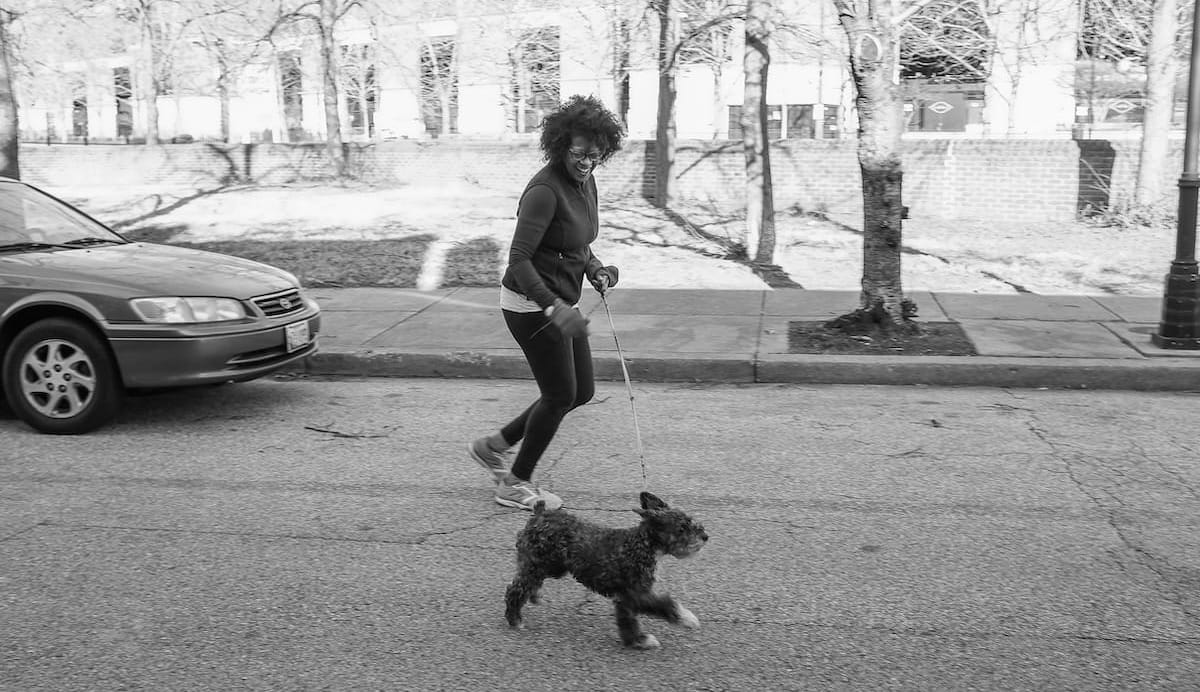
Susan says she still gets out for an occasional run around Baltimore’s Inner Harbor and participates in a 5K here and there, but she spends much more time walking these days.
“It’s okay to take a break and figure out how to get back in,” Susan says. “I think that we tend to beat ourselves up because we’re not talking on Strava, we’re not posting on Instagram that we’re out running all the time.”
As she slowly works toward getting back into more running, she’s enjoying the new perspective this break has brought her.
“I think that we look on social media and we think it’s all this glamor, and it doesn’t have to be that. It can be you and your best friend. Go for a walk, go for a run, and go to your neighborhood coffee shop and have a coffee afterwards and talk about the latest TV show you’re watching,” Susan shares. “Make it your own. Make it your own community.”
Below, Susan shares more on the inspiration behind RunMitts, working with U.S.-based manufacturers, and why we shouldn’t let the fear of failure stop us from trying.
How did you get the idea to develop a running mitten?
Susan Clayton: It was really from Back On My Feet, because the 5:30 a.m. runs were…Monday, Wednesday, Friday, any weather. It was snow, rain, whatever. We always had to meet because our dedication helped the guys who were in these shelters to have their dedication.
You should have seen the mittens and stuff I was wearing, I was wearing big old, thick [mittens] and my hands would still be cold …. I would get in the car and turn the heat on, and have my thumbs up at the heat.
I saw one of the guys running around with socks, and I was like, that’s a good idea. I love the idea of mittens. I love convertible mittens, but I couldn’t find what I wanted. Or they’d have those convertible mittens where it was like a glove that was cut off, and that didn’t work for me.
So, I went home, and I was like, I’m gonna knit up [something]. I had a convertible pair and one that wasn’t. One of the guys that I was talking to helped me test it. He was like, ‘There’s wind coming through the holes. That’s not really helping.’ So I was like, ‘Okay, I’m gonna line it in fleece.’
And then, just out of a whim, I was like, I’m gonna call an attorney to see if I can get it a patent, just because I wanted to protect it. Even though it was a very simple idea. I still knew simple ideas can still get stolen.
At what point did you decide to turn RunMitts into a business?
Susan Clayton: I had a really good patent attorney who was helping along the way and just supporting. It took three years and a lot of re-applying. The patent was approved in December of 2015, but it was probably the fall before then, I was like, I gotta do something …. Whatever I do, I’m just gonna start something, even if I just make some and just sell them to my friends and family.
I wasn’t even sure what to do. I didn’t know how to manufacture anything. I didn’t know anything. One of the things I tell people when they ask me, ‘What is some advice you would give for new people?’ [is] do better research than I did.
Those three years, I should have been doing research, but I just didn’t even think about it. I was like, ‘Oh, it’ll fall into place. I’ll just figure it out then.’ But no, I should have been doing all the background stuff, finding manufacturing, testing fabrics, stuff like that. But I didn’t really start doing that until January of 2016.
I would say for 2016 to 2020, it was more like, this is just a side hustle. I’m just gonna sell at race expos and stuff like that. I wasn’t trying to get into retail. I was barely figuring out manufacturing.
You’ve been manufacturing in the United States since day one. What have you enjoyed about working with local manufacturers?
Susan Clayton: It’s a little more expensive having it manufactured here. But then, there’s this comfort level of having it here, because I can go to them, and if there’s a problem, we can talk about it.
The first two [manufacturers] that I had just weren’t very friendly, but it was easier to communicate with them and deal with them because they were right here, opposed to trying to navigate an Asian market. I was so small, and I was doing all this by myself.
The last two that I’ve had have been working hard with me to grow the business. The first one was in New York, and she was lovely …. She helped me develop a better pattern. She helped me with everything. She wanted the company to grow, so she was very instrumental in me becoming a stronger person in the business.
The only reason I stopped using her is because, production-wise, she just couldn’t handle the amount that I started to need. And she knew that going in. Once I got into retail, she couldn’t keep up with the demand.
So, we found one here. He wants me to grow. He knows, the more that I grow, the more he can …. There’s this symbiotic relationship where they’re helping me and I’m helping them. I can go to the factory and talk to the people, and I can go in and pick up stuff … I’ve stored fabric at this factory since they started doing my stuff in 2022. Most factories will charge you to hold your fabric …. They’ve been so accommodating, and we have such a good relationship.
Looking forward, what vision do you have for RunMitts?
Susan Clayton: I always want the mitten to be the hero product. We’re always going to make it. We’re always going to make it in the winter fabric. We’re always going to make it in the fleece. We might branch out and do side products — we have our kiddy mitts, and I’m trying some summer stuff.
But I’m one of these people…that half-zip that I love and I still wear, I’m so afraid it’s gonna fall apart one day. Why can’t they just keep making that? …. I wish all these companies would have a hero product that they just continue to make.
People who need the mittens, they want that reliability. So that’s what I want to stick with. That will always be my hero product. I will not deviate from that. I want to always be known as the mitten person forever.
On reflection, would you have started the business knowing the challenges and learning curves? What advice would you give others?
Susan Clayton: Sometimes, I feel like it’s better to not know anything and go in blind and just figure it out as you go along. Because if you knew how much work it took, a lot of people wouldn’t do it.
I think I was just so naive. And you know, now, if you look on Instagram and stuff like that, a lot of people [share] these sad stories …. When I first started, they didn’t have all those things. You didn’t see all those trauma dumps on social media. So I just assumed it was easy. It’s gonna be fun. It’s just making a pair of mittens. How difficult can it be?
Starting off…I just thought people [would] buy them because they’re there. I didn’t realize all the back-end stuff that needed to be done. The first couple of years were a lot of learning, but it was fun learning sometimes.
I think, because I had a salon for so long, that this wasn’t scary to me. I was like, I’ve done it before …. Even just the whole manufacturing part, I had this attitude of, I’ll figure it out. It’ll either work or it won’t. And if it doesn’t work, I’ll just figure out another way.
Don’t be afraid to do something because you’re afraid you’re going to fail at it. Because, trust me, I fail so much …. There are so many options out here that you don’t have to just stick with one thing or one path …. Venture out and try so many different things. Sometimes it works, and sometimes it doesn’t, but a lot of times it does work.
Follow @WhitePaws_RunMitts on Instagram.
“I love solving problems. I have that logical brain where I look at a thing and I’m like, I have to figure this out …. Even just the whole manufacturing part, I had this attitude of, I’ll figure it out. It’ll either work or it won’t. And if it doesn’t work, I’ll just figure out another way.” – Susan Clayton